
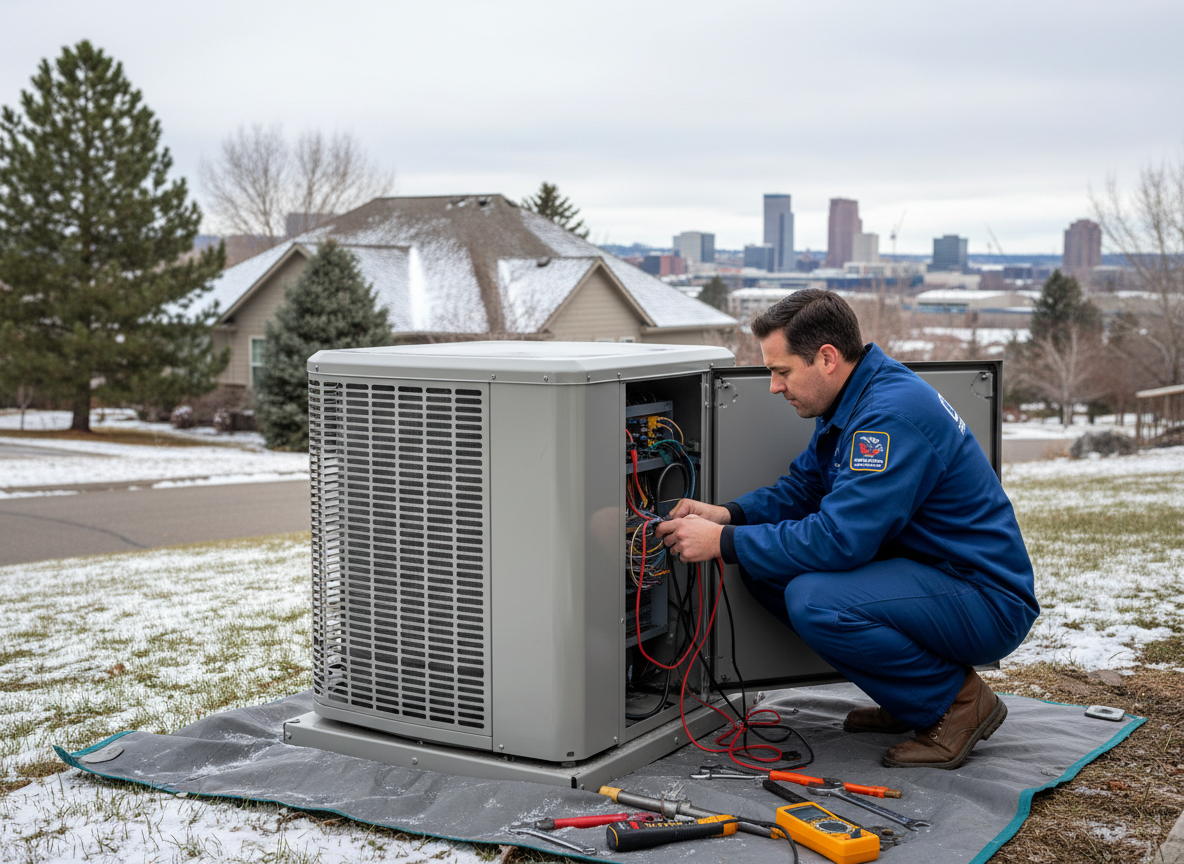
Diagnosis and Common Failure Symptoms
Technicians begin by checking error codes and running the unit through its modes to identify whether the heat pump fails to heat, cool, or maintain temperature. Frequent symptoms include short cycling, unusual noises from the outdoor unit, or warm air blowing when heat is selected. Ice accumulation on coils during winter runs often signals defrost problems rather than simple sensor faults.
Components That May Require Testing
Key parts checked include the compressor for electrical draw and pressure, reversing valve operation, defrost control board, outdoor fan motor, and thermostat wiring. Refrigerant lines are inspected for leaks using electronic detectors, while capacitors and contactors are tested for proper function under load.
Repair Versus Replace Considerations
When the compressor or sealed system shows major wear, replacement of the entire unit often makes more sense than repeated repairs. For issues limited to the fan motor, thermostat, or control board, targeted fixes usually restore reliable operation at lower cost. Age of the existing equipment and availability of matching parts guide the final recommendation.
What a Customer Should Prepare Before Service
Clear access to both indoor and outdoor units helps speed up the visit. Homeowners should note any recent error codes, changes in performance, or unusual sounds, and have the model number ready. Turning off power to the unit at the breaker ahead of time is not required but can be done if the unit is actively malfunctioning.
Technician insight
In Spokane, the thing that catches most people out with Heat Pump Repair is how our long, sub-zero stretches force the defrost system to run constantly, and homeowners often replace the thermostat thinking it is the only issue when the real problem is a failing defrost sensor or reversing valve.
Persistent Ice on Outdoor Unit
A Spokane homeowner reported the heat pump blowing cold air and heavy ice on the outdoor coils. Testing showed the defrost sensor had failed and the reversing valve was sticking. The sensor was replaced and the valve freed, restoring normal defrost cycles and steady heat output.
Heat Pump Repair Services We Offer
✓Compressor Testing and Repair
Measures amperage draw and refrigerant pressures to determine if the compressor can be restored or needs replacement.
✓Defrost Cycle Repair
Diagnoses and corrects sensors, timers, or reversing valves that prevent proper defrosting during Spokane winters.
✓Fan Motor Replacement
Tests and swaps failing indoor or outdoor fan motors that cause weak airflow or complete loss of circulation.
✓Thermostat and Control Board Diagnostics
Checks wiring, calibration, and board outputs to restore accurate temperature control and mode switching.
✓Refrigerant Leak Detection
Locates and seals leaks in coils or lines before recharging the system to factory specifications.
✓Capacitor and Contactor Service
Replaces worn start or run capacitors and contactors that prevent the unit from starting reliably.
How it works
- 1
Initial Assessment
The technician reviews reported symptoms and inspects both indoor and outdoor sections of the heat pump.
- 2
Component Testing
Electrical, mechanical, and refrigerant systems are checked with specialized meters and gauges.
- 3
Findings and Options
Results are explained along with repair versus replacement choices and any parts required.
- 4
Work Completion
Approved repairs are performed, the system is tested in all modes, and the customer receives a summary of work done.
Pricing
Cost depends on which components need attention, parts availability, and whether the repair addresses the root cause or if full replacement becomes the better long-term choice.