
2026-08-24 ·
How Spokane's Seasonal Weather Can Affect Home Appliances
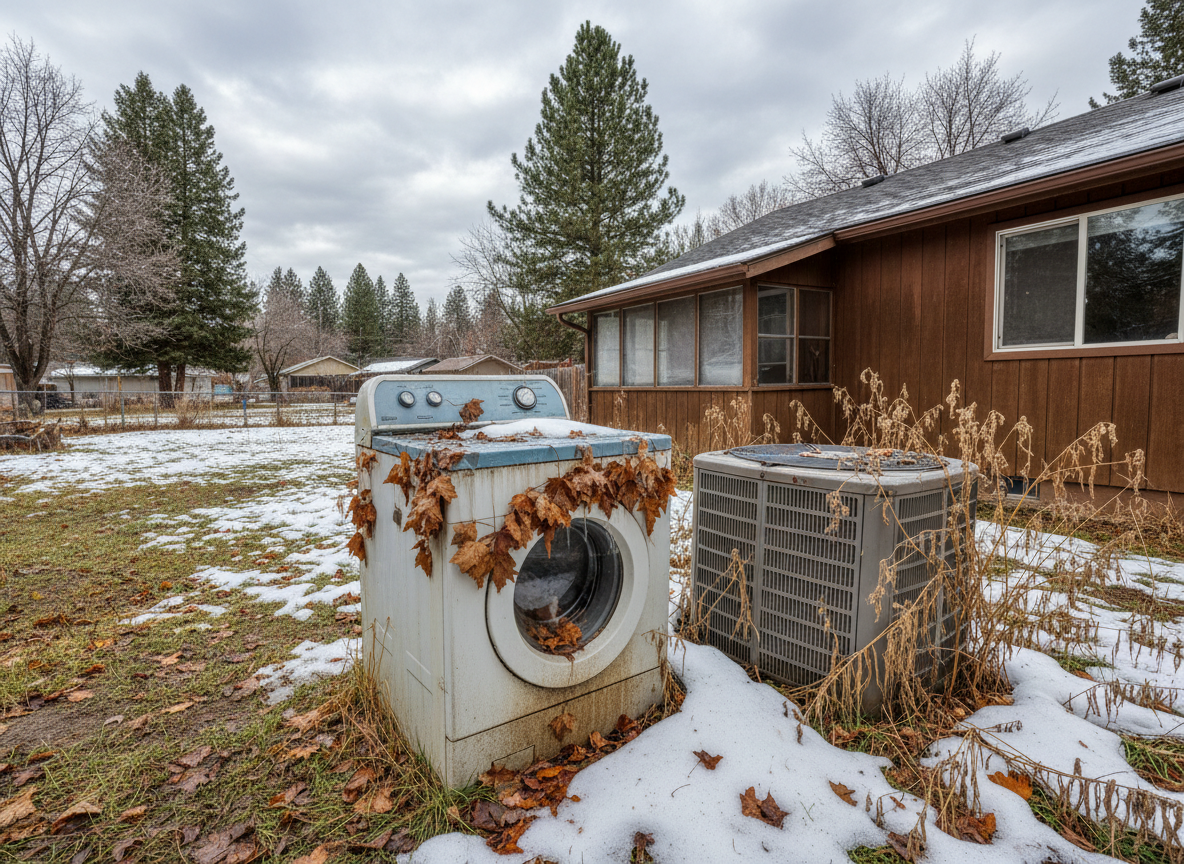
Spokane winters that drop below 20°F and summers that reach the 90s force refrigerators, washers, dryers, and ovens to cycle harder, which shortens compressor and motor life while increasing the chance of seal failures and electrical faults.
Winter Freezes and Refrigeration Components
When overnight lows fall into the teens, water supply lines to ice makers and refrigerator dispensers can freeze and crack, while the compressor works overtime to maintain 37°F inside the box against 15°F garage or basement air. Homeowners notice frost buildup on the evaporator coils, longer run times, or warm spots in the fresh-food section. Checking the defrost heater and drain tube for ice blockage often reveals the root cause before the unit stops cooling entirely. In many Spokane homes, moving the refrigerator away from exterior walls or adding a garage kit reduces these strain cycles. When the compressor starts clicking every few minutes, a refrigerator repair technician can test start relays and capacitors on site to decide between a $300 part swap and full replacement.
Summer Heat Loads on Dryers and Washers
July and August temperatures above 85°F raise the ambient air that enters dryer vents, forcing the heating element or gas burner to run 15–20 minutes longer per load and pushing lint buildup into exhaust ducts faster. Washers located in unconditioned laundry rooms experience motor overheating when inlet water arrives at 75°F instead of the usual 55°F, leading to worn bearings and leaking shaft seals. Residents in neighborhoods such as Downtown Spokane often see error codes E1 or F8 on digital panels after consecutive hot days. Cleaning the lint trap after every load and vacuuming the vent hood flap monthly keeps exhaust temperatures within safe limits. Persistent high-limit trips usually point to a restricted vent rather than a failed thermostat.
Humidity Swings and Electrical Connections
Spokane’s spring and fall humidity changes of 30–70% within a single week cause metal contacts inside ranges and microwave ovens to oxidize, producing intermittent sparking at burner switches. Washing-machine control boards develop corrosion on ribbon cables when basement moisture condenses during rapid temperature drops. These faults appear first as flickering lights or unresponsive touchpads rather than complete failure. Applying dielectric grease to accessible terminals during a maintenance tune-up prevents most of these seasonal interruptions. When boards already show green corrosion, replacement cost often exceeds the value of older machines, making the decision to repair or replace straightforward.
Diagnosis Steps and Repair-or-Replace Factors
Start by noting which season the symptom began and whether the appliance sits against an exterior wall or in a garage. Measure run times with a Kill-A-Watt meter for two weeks; anything over 60% duty cycle in winter or 50% in summer signals excessive load. Compare that data against the unit’s age and repair history before calling for service. The guide Repair or Replace? How to Decide When an Appliance Breaks Down walks through cost thresholds that apply to Spokane’s local labor rates. When the compressor, sealed system, or main control board needs work on a unit older than ten years, replacement usually costs less over the next five years than repeated repairs.
Practical Maintenance That Matches Local Weather
Change dryer vent ducts to rigid metal where possible and slope the line downward toward the exterior to shed condensation before it freezes. Keep refrigerator coils vacuumed twice a year—once after the first hard freeze and again after the last 90°F day. Install water-line insulation sleeves on ice-maker hoses that run through unheated spaces. These three steps address the exact temperature and humidity swings Spokane experiences each year and keep most appliances running through at least one extra season without service calls.