2026-08-24 ·
Common Appliance Problems Spokane Homeowners Shouldn't Ignore
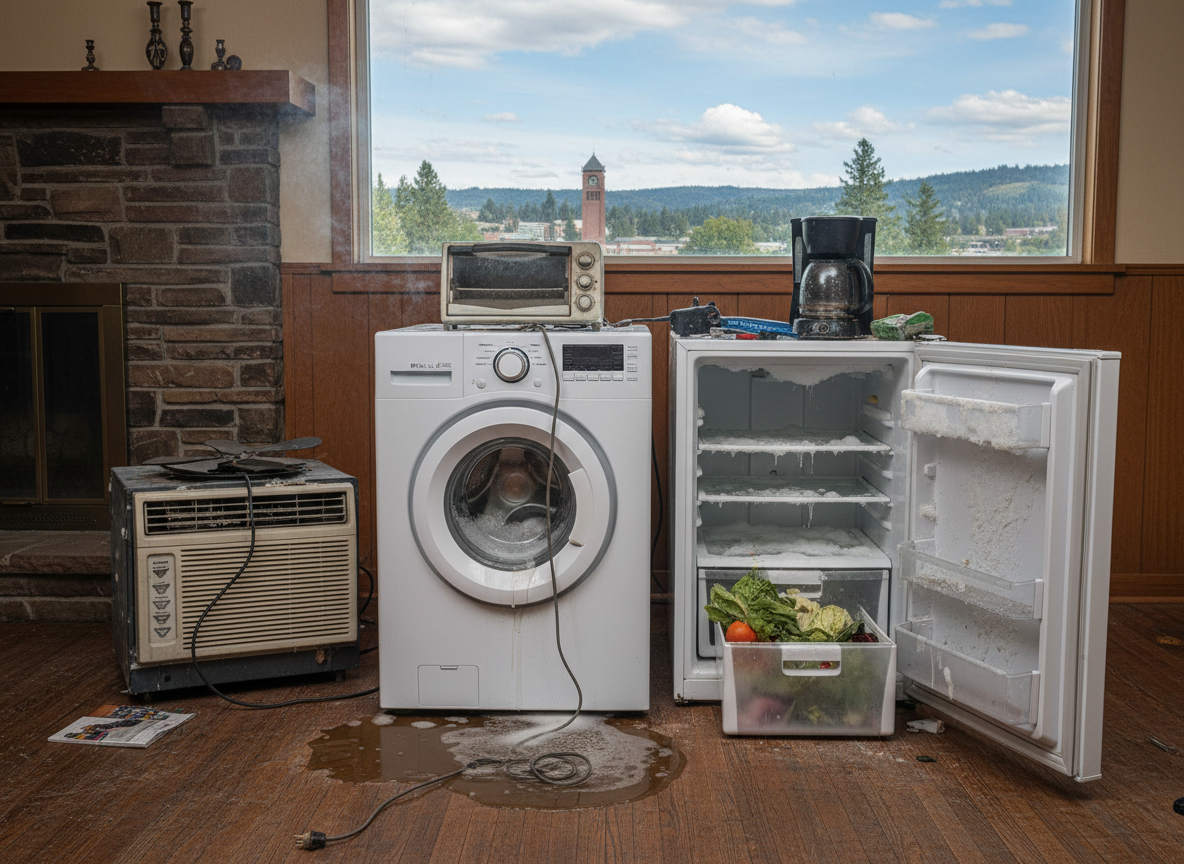
Spokane homeowners should address appliance problems at the first sign of unusual noises, temperature swings, or leaks rather than waiting for complete failure. These early indicators often point to failing components that become expensive once secondary damage occurs.
Refrigerator Temperature Fluctuations and Ice Buildup
Refrigerators in Spokane homes often develop uneven cooling when door seals weaken from repeated freeze-thaw cycles common in the region. Homeowners notice frost on the back wall or food spoiling faster in certain sections. Checking the condenser coils for dust buildup every few months helps maintain efficiency, especially in homes near busy streets where airborne particles accumulate faster. Persistent temperature swings above 40 degrees in the fresh food section usually require professional diagnosis of the thermostat or defrost timer. Continuing to run the unit under these conditions can lead to compressor strain and higher energy use during long winters. Refrigerator repair addresses these issues before the appliance affects nearby cabinetry or flooring from excess condensation.
When deciding between repair and replacement, consider the age of the unit and the cost of the specific part. A compressor replacement often exceeds half the price of a comparable new model, making replacement the practical choice for older refrigerators. Regular cleaning of the drain pan and checking the water inlet valve prevents leaks that can damage subflooring in older Spokane homes with basements.
Washing Machine Leaks and Drainage Failures
Washing machines frequently develop leaks around the door gasket or drain hose in Spokane households where hard water leaves mineral deposits that restrict flow. Residents notice water pooling during the spin cycle or clothes remaining damp after the final rinse. Inspecting the inlet screens for sediment and ensuring the machine sits level reduces stress on the suspension rods. Persistent drainage problems often trace to a clogged pump or faulty pressure switch, both of which worsen when ignored through multiple loads. Washing machine repair restores proper function and prevents water damage to laundry room walls or adjacent rooms.
Seasonal weather patterns in Spokane can accelerate wear on hoses and valves because low winter humidity dries out rubber components. Replacing fill hoses every five years provides inexpensive protection against sudden bursts. When repair costs approach 50 percent of a new unit price, owners should evaluate energy savings from a high-efficiency model suited to local utility rates.
Dryer Overheating and Lint Blockages
Dryers in Spokane frequently overheat when lint accumulates in the vent duct, especially after heavy use during cold months when residents run multiple loads. Signs include longer drying times, a hot exterior cabinet, or a burning smell at the start of a cycle. Clearing the lint trap after every load and checking the exterior vent flap for obstructions prevents restricted airflow that forces the heating element to work harder. Persistent overheating risks fire and damages fabrics, particularly in homes with longer vent runs common in ranch-style properties. Professional cleaning of the full duct system restores safe operation.
Homeowners weighing repair versus replacement should factor in the age of the heating element and the condition of the drum rollers. When multiple components need attention simultaneously, replacement often proves more economical. How Spokane's seasonal weather can affect home appliances explains additional regional factors that shorten dryer life.
Oven and Range Inconsistent Heating
Ovens and ranges in Spokane kitchens show inconsistent temperatures when bake elements weaken or igniters fail, leading to uneven browning or extended cook times. Homeowners observe that baked goods fail to rise properly or that the broiler cycles on and off repeatedly. Testing the oven with an independent thermometer reveals deviations greater than 25 degrees from the set temperature. Ignoring these symptoms strains the control board and can create safety concerns with gas models. Repair or Replace? How to Decide When an Appliance Breaks Down outlines the cost thresholds that guide this decision for local homeowners.